
Tennis Court Construction
That's Built to Last
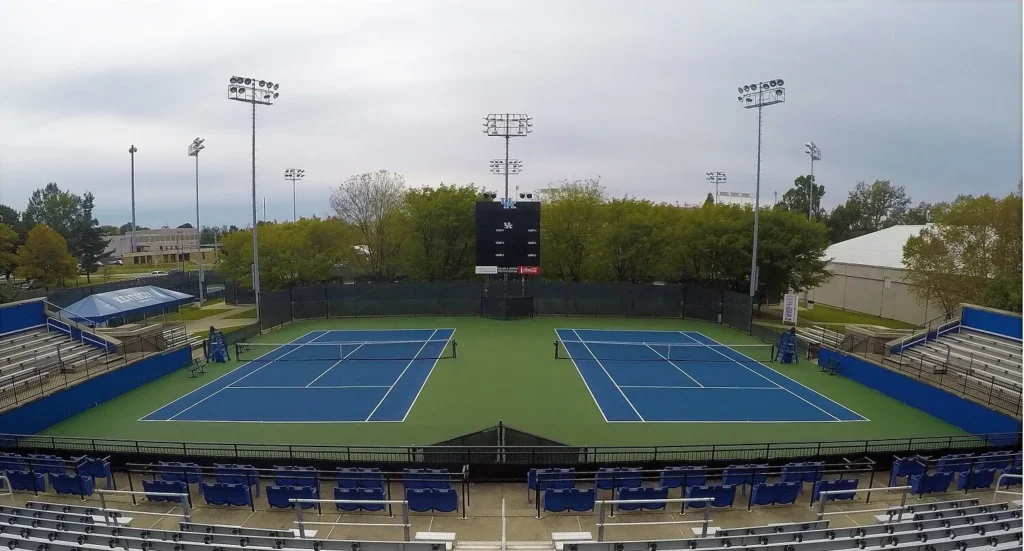
Tennis Technology delivers professional tennis court construction across Kentucky, Ohio, and Indiana. Whether you’re building for a school, park, or private residence. We engineer surfaces designed for decades of championship-level play.
Trusted by:





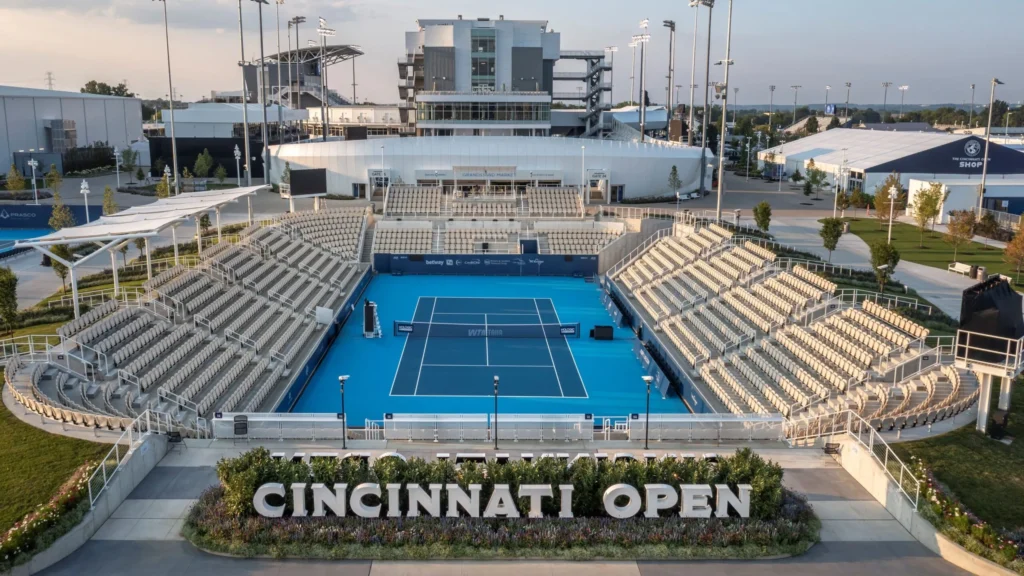
“This might even be better than the US Open, with these facilities …” Sloane Stephens as covered by The Cincinnati Enquirer.
Tennis Technology was the surfacing contractor of choice for the Cincinnati Open’s $260 million renovation project completed in 2025.
Built to Championship Standards
We build courts that meet USTA Pro Circuit standards, ensuring your investment delivers exceptional performance and durability.
Our construction options include:
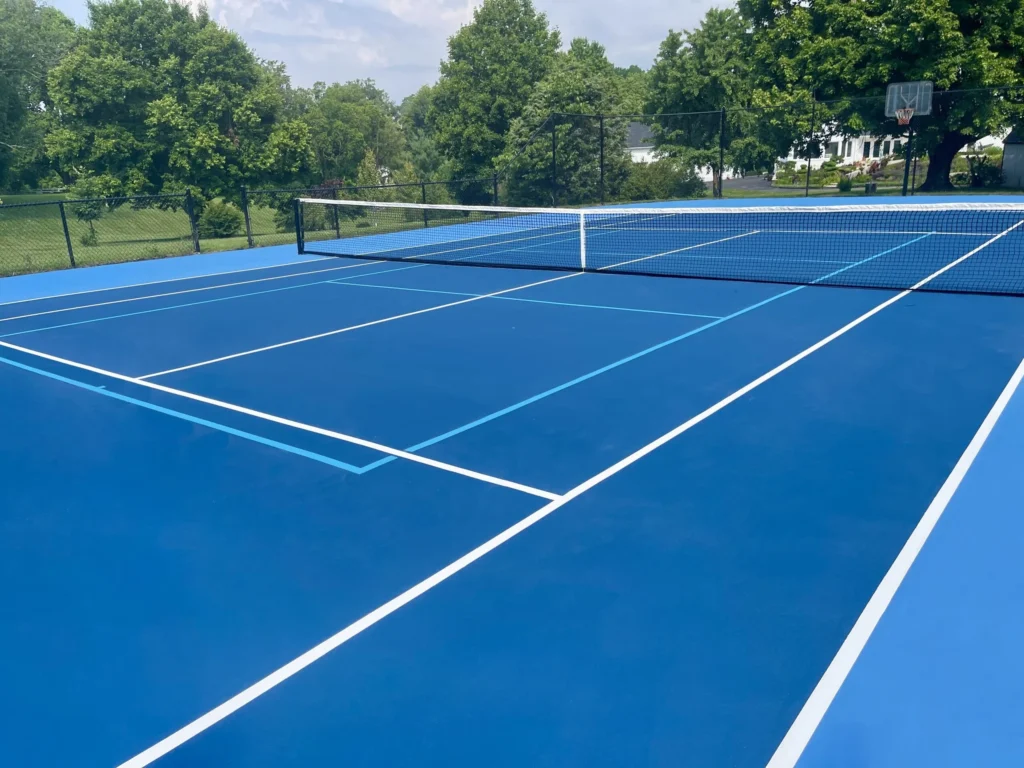
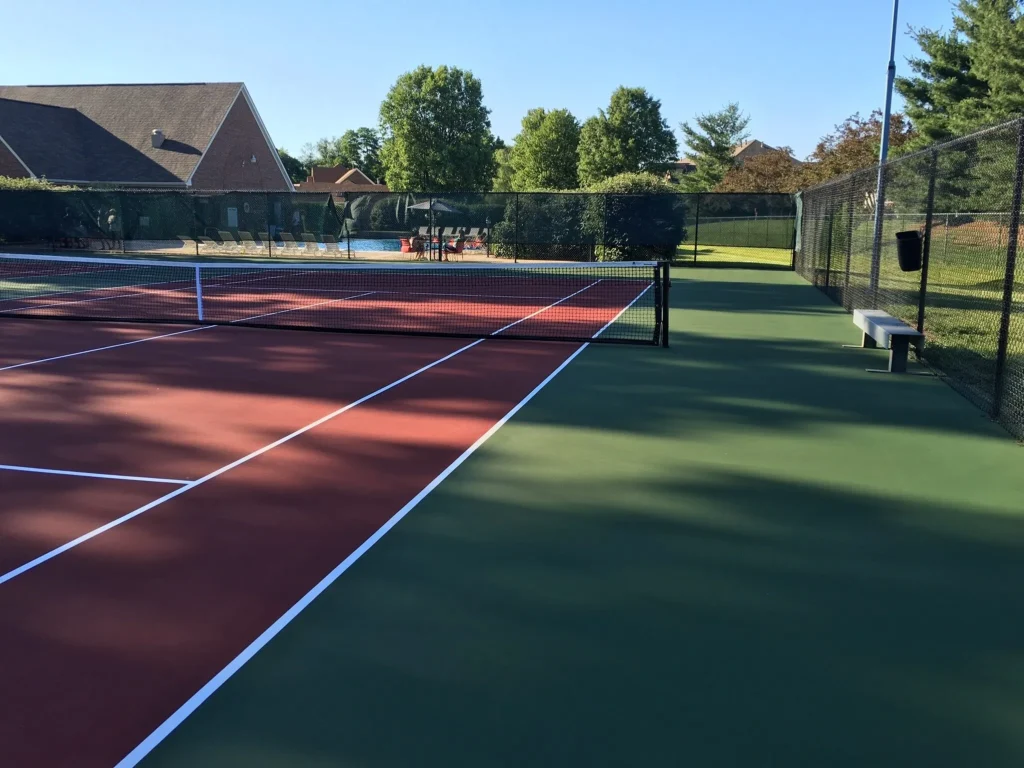
- Traditional hard courts with customizable speed and cushioning
- Post-tension concrete for challenging soil conditions
- Cushioned systems that reduce joint stress
- Clay court construction for strategic play
- Multi-sport surfaces (tennis, pickleball, basketball)
Choose Your Court Type
We build traditional hard courts, post-tension concrete, cushioned systems, and clay courts—each with different performance characteristics, maintenance requirements, and price points. Our experts will recommend the right fit during your free consultation.
Not sure which construction method is right for your project? We’ll assess your site, usage needs, and budget to recommend the ideal solution.
Why Choose Us for Tennis Court Construction?
40+ Years of Expertise
Since 1978, we’ve completed hundreds of tennis court projects across Kentucky, Ohio, and Indiana—for schools, parks, and private properties.
Dedicated Project Management
Every project gets a dedicated manager who coordinates directly with athletic directors, park departments, architects, and homeowners.
Industry-Leading Warranties
Your investment is protected with comprehensive warranties and optional maintenance programs to maximize court lifespan.
Get Your Tennis Court Project Started
From site assessment to final striping, our team manages every detail. Tell us about your project and get a free consultation.
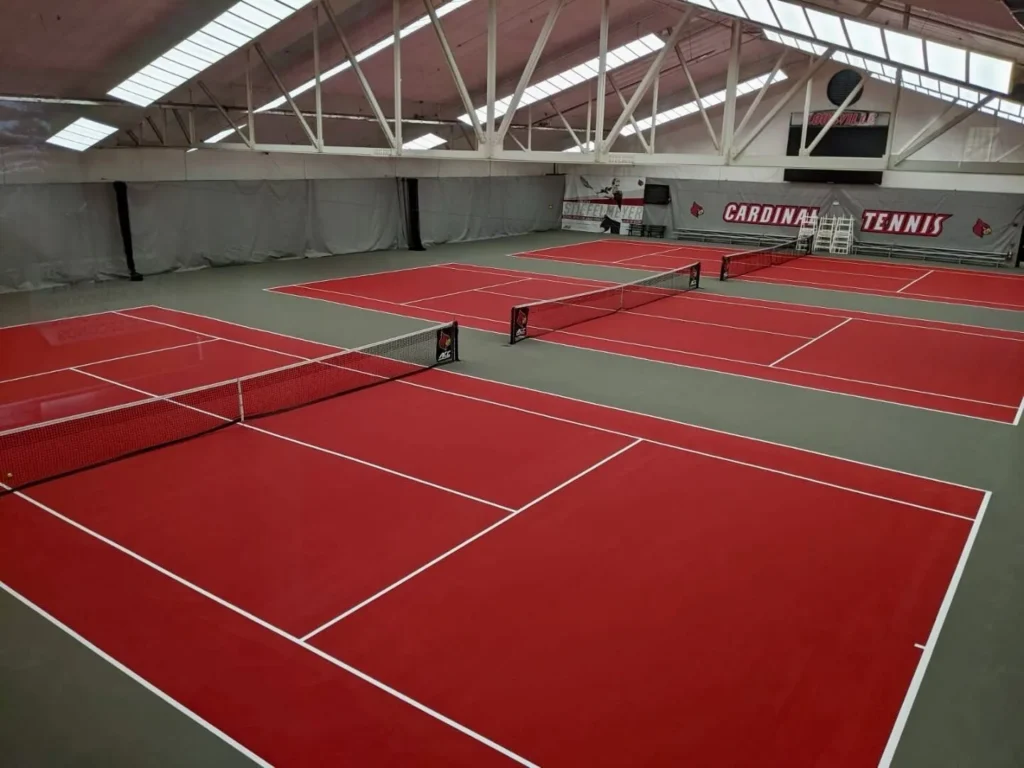
“Jeff Henderson and Tennis Technologies have been doing both our indoor and outdoor courts for over 40 years. We have been extremely happy with the product, installation, and service that Jeff and his team have provided. He is always available when needed and provides first-class customer service. It’s seldom that you can recommend a service unconditionally, but Jeff Henderson and his company are the exception! Thank you, Jeff, for helping us to be recognized as on of the top tennis clubs in America.“
Laura Wagner
WHO WE SERVE
From high-traffic school facilities to private backyard courts, we tailor every project to your specific needs:
- Schools & Universities — Durable courts for athletic programs and varsity competition
- Parks & Recreation — Municipal-grade construction built for public use
- Tennis-to-Pickleball Conversions — Add pickleball lines or convert courts entirely
- Residential — Professional-quality courts for private properties
- Clubs & Facilities — Multi-court configurations with lighting options
Common Questions
How long does tennis court construction take?
A resurface at a single tennis court should take about four to five days. A complete construction will take about four to eight weeks, depending on court type and site conditions. We’ll provide detailed timeline during your consultation.
Can you add pickleball lines to a tennis court?
Yes! A standard tennis court size is 60’x120’. The minimum sizes for a pickleball court (playing lines and minimum overruns) is 30’x60’. This means you can fit four sets of pickleball lines on your court, buy four pickleball mobile nets, and host a pickleball party! Most residents stripe only one pickleball court on their tennis court.
What’s the most common problem with outdoor courts?
According to the American Sports Builders Association, “The most common problem with asphalt tennis courts is pavement cracking. Cracking in asphalt is caused, at least in part, by the natural tendency of asphalt to shrink as it weathers, oxidizes and ages… Quality design and construction can minimize or delay cracking but cannot eliminate it…” Moreover, according to the National Ready Mixed Concrete Association, “All concrete has a tendency to crack, and it is not possible to produce completely crack-free concrete.”
There are options to help mitigate these problems in out-door courts, including post-tension concrete alternatives, but the best starting point is to have a dedicated court professional examine your existing conditions for best recommendations and courses of action.